


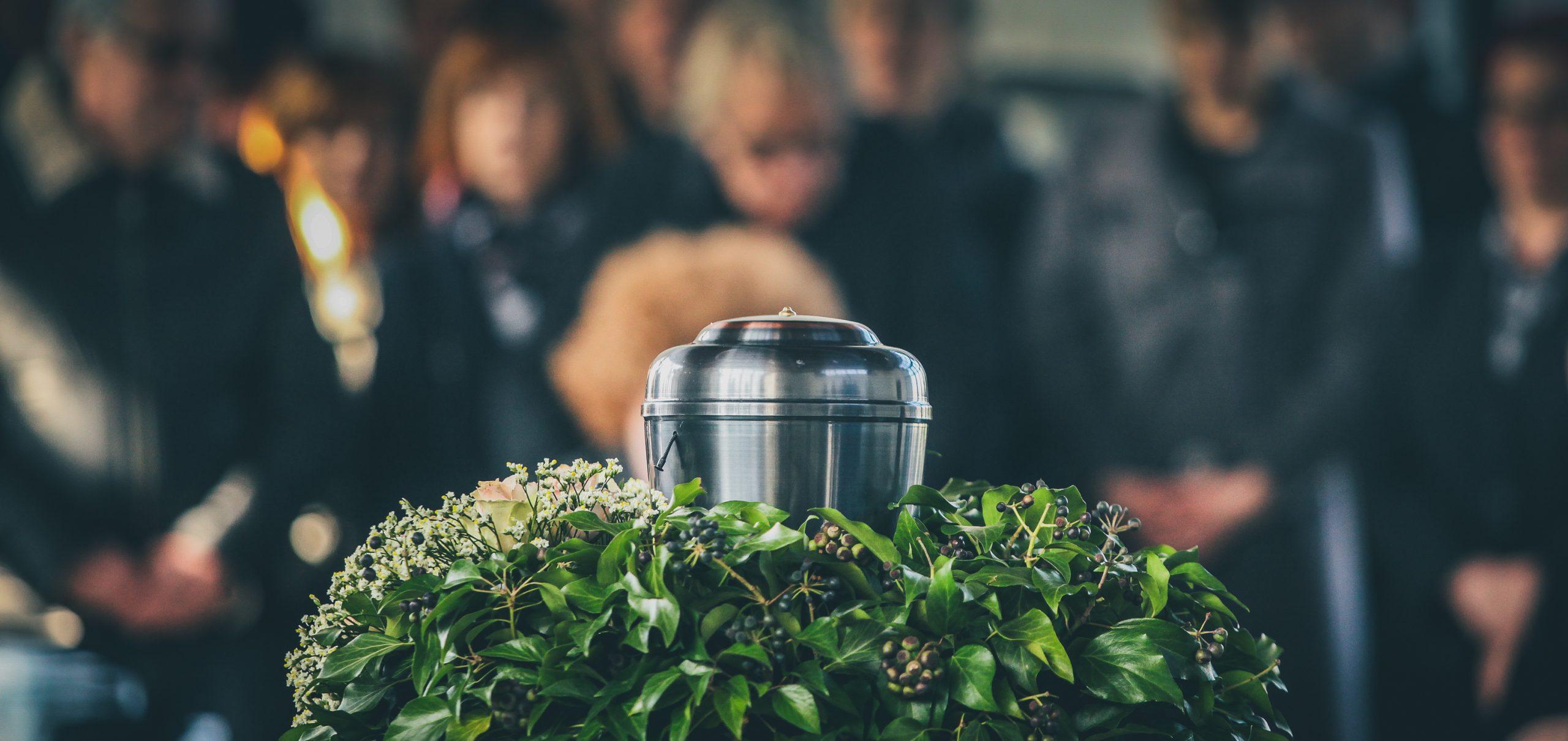
“Direct cremation” is the industry term for the disposition of remains by the process of cremation, usually without a formal viewing or ceremony beforehand. This “no-frills” option is a popular choice today because it is cost effective and allows for flexibility in planning a memorial gathering.
Simple Cremation can provide a final visitation prior to the cremation. While this is not a memorial service, it provides an opportunity for family and close friends to say a final goodbye. This visitation can last up to fifteen minutes and accommodate up to five people.
A traditional funeral is a more formal arrangement, which entails more expenses and some time constraints. A typical funeral requires embalming and cosmetology services for the deceased, purchase of a casket and vault, a cemetery plot, and a headstone. How soon a traditional funeral must take place varies depending on religious requirements, but three to seven days after death is typical. This leaves a short window of time to gather loved ones, especially if many guests must make arrangements to travel for the service.
The structure and quick timeline of a traditional funeral appeals to many who consider the immediate nature of events as part of the grieving process. The higher expenses involved, and the immediate sacrifice of putting everything else on hold to observe religious and cultural traditions is, in itself, a way to honor their loved one. Traditional funerals might include a wake or viewing at a church or someone’s home, a formal service led by a clergy member or celebrant, a funeral procession, a graveside service and a reception afterwards.
With a direct cremation, in terms of tangible purchases there is only a need for a combustible, rigid, covered cremation container to allow for dignified handling during the cremation process. Urns or keepsake containers are available on Simple Cremation’s website or can be purchased from another vendor or artisan at any time. Without the pressure of a traditional funeral timeline, families can take more time to look at options and decide how to honor their loved one.
A memorial service or celebration of life can take place with or without the deceased’s cremains present. It’s not uncommon for families to plan a formal gathering to take place months or even a year after a loved one has died. This allows more flexibility in planning and arranging schedules and travel. Transporting or shipping cremains is relatively easy: for domestic travel, the container must adhere to specific rules and be able to pass through an X-ray screening.
Those who seek an environmentally conscious choice are somewhat split on the question of traditional funeral burial versus cremation. While cremation uses more energy and releases more carbon initially (equivalent to a that of a long-distance drive), burial involves chemicals used for embalming and non-biodegradable materials that generate long-term emissions. Burial also requires land allocation and ongoing resources for groundskeeping, which can be substantial in arid regions.